
Teaching Math: Why Knowledge Alone Isn't Enough
- math tutoring
- learn math
- math anxiety
- math test anxiety
- teaching math
- mathematics pedagogy
- pedagogical skills
- humor in math
- stress-free learning
- learn math calmly

Teaching Math: Why Knowledge Alone Isn't Enough
You know the scene. A student stares at a worksheet like it might bite. The pen freezes. The mind goes blank. After one rough grade, a quiet story forms: “I’m just not a math person.” Parents worry. Tutors prepare perfect explanations. And somehow, even when the adult knows every formula by heart, the lesson still stalls.
That tension sits at the heart of teaching math with teens and young adults: is deep subject knowledge more important, or the pedagogical skills that keep learning calm, clear, and human? The honest answer is both — but not equally, and not at every level. Strong math knowledge is necessary. At school and early university, though, mathematics pedagogy often decides whether students actually learn math — or only survive until the next test.
Math knowledge vs pedagogical skill
Let’s be fair to both sides. Solid subject knowledge matters. Without it, explanations wobble, misconceptions slip through, and difficulty jumps around without purpose. A tutor who truly understands algebra, functions, or calculus can spot the exact wrong turn in a student’s reasoning and offer a cleaner path. That expertise is not optional — especially as topics get denser.
But knowledge alone does not create learning. Many students have already met adults who “know everything” and still left the room more confused. What often decides progress is how the knowledge is delivered: pace, language, emotional safety, and the ability to read the room. Those are pedagogical skills — and they are learnable.
- Lower secondary: Trust and plain-language explanations matter most. Students are building identity around school; fear can set in early.
- Upper secondary: Content gets harder, so knowledge and pedagogy must work together. Clear structure plus calm coaching prevents panic before exams.
- First years of university / exam prep: Subject depth rises, but so does pressure. Students who freeze under math test anxiety still need emotional regulation skills from their teacher — not just denser notes.
In short: expertise keeps the map accurate. Pedagogy keeps the student on the path. For young people, the second part is frequently the missing piece in math tutoring.
Knowing the math is the ticket to teach. Helping a stressed student stay open long enough to use that knowledge is the real craft.

Stress mode kills learning
Math anxiety is not laziness and not a personality flaw. It is a nervous-system response. When a student enters panic or shame mode, working memory collapses. The same brain that could solve the problem yesterday suddenly cannot hold three steps at once. Questions feel dangerous. Mistakes feel like proof of failure. So the student stops asking, starts guessing, or memorizes procedures without understanding.
One bad grade can then harden into identity: “I can’t do math.” That story is sticky because it reduces uncertainty — if you are “just bad at it,” you no longer have to risk trying. Parents see withdrawal. Teachers see silence. The content was never the only problem; the emotional climate was.
This is why stress-free learning is not a soft slogan. Reducing fear protects the cognitive bandwidth students need to think. Without that, even excellent subject knowledge struggles to land. If you want students to learn math calmly, you first have to keep them out of shutdown.
- Working memory shrinks under threat — multi-step problems feel impossible.
- Students avoid questions to protect themselves from embarrassment.
- Surface memorizing replaces understanding.
- A single result becomes a story about who they are.
Chill, humor, and results
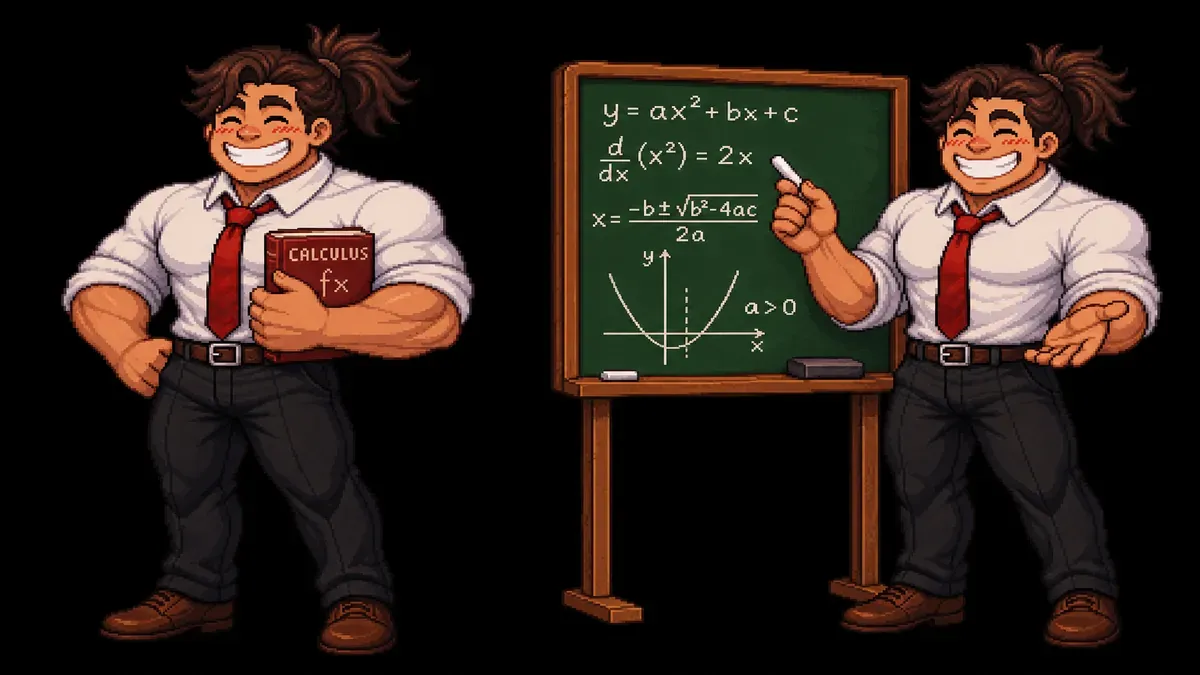
A calm lesson with a little humor in math is not entertainment for its own sake. Light humor lowers defenses. It tells the nervous system: this room is safe enough to think. Students stay open to mistakes, stay curious instead of defensive, and recover faster after a setback. That is when practice actually happens — and practice is what improves grades.
Important distinction: chill ≠ lazy. The goal is low fear + high standards. You can laugh at a messy fraction and still insist on a correct next attempt. You can keep the atmosphere warm and still finish a tough problem set. Relaxed does not mean low expectations; it means students can meet high expectations without burning out.
In practice, a chill style helps students:
- treat mistakes as data, not drama;
- ask “dumb” questions that unlock understanding;
- return to hard topics after a bad day;
- build the reps that turn confusion into fluency.
When teaching math this way, results tend to follow — not because humor magically teaches derivatives, but because students finally have enough calm to use what they are taught.
Bad grades don’t define you
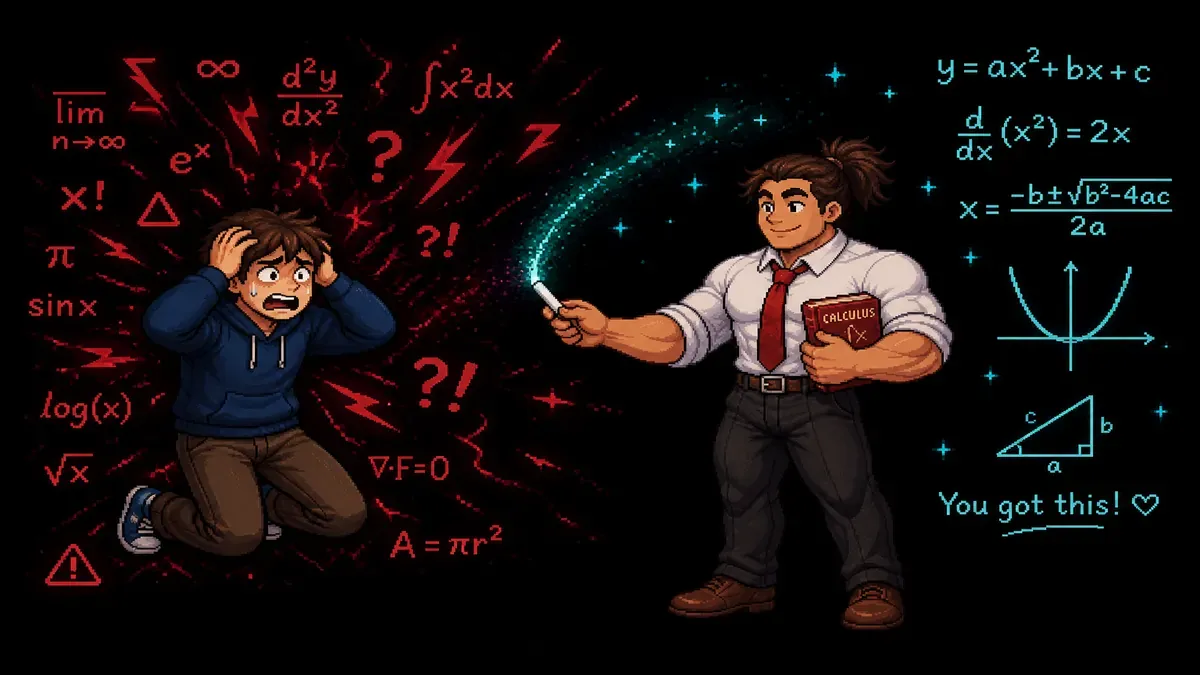
A rough exam result is diagnostic feedback, not a verdict on intelligence. That reframe matters for students and parents. Instead of “You failed math,” try “This test showed which skills still need reps.” Same facts, different future.
Practical rebuild plan:
- Name the gap. Was it algebra basics, reading word problems, timing, or blanking under pressure?
- Win small. Three correctly solved problems with understanding beats twenty rushed guesses.
- Write the next step. One clear target for the next session beats vague “study more.”
- Keep support steady. Consistency reduces drama; drama feeds math test anxiety.
Parents help most by staying curious, not catastrophic. Ask what felt confusing. Celebrate process: showing work, asking questions, retrying. Students help themselves by separating identity from performance: you can be capable and still have a bad week. That mindset keeps motivation alive long enough for methods to work.
A grade is a snapshot of preparation and conditions — not a permanent label.

What great math teaching looks like in practice
Skip the mystique. Effective math tutoring usually looks like a repeatable loop:
- Diagnose gaps before drilling advanced topics.
- Explain in plain language, then check understanding with a tiny example.
- Practice with feedback — not endless silent worksheets.
- Keep sessions psychologically safe so questions stay welcome.
- Celebrate progress (even small), so effort feels worth it.
- Prepare exams without fear-mongering — clear plans beat scare tactics.
That checklist combines subject expertise with pedagogy. It is how students move from “I can’t” to steady progress. No miracle promises — just the conditions under which learning becomes possible again: clarity, calm, and consistent reps.

If you’re stuck: get calm, clear support
If you or your child feel stuck, stressed, or demotivated after grades, you do not need louder pressure. You need support that pairs real subject expertise with a calm, human teaching style — so understanding grows without burnout.
On mathe.teodoro.ch you’ll find math tutoring focused on clarity, confidence, and steady improvement. Prefer building projects and logical thinking through code? See coding.teodoro.ch for programming support in the same spirit: high standards, low fear, practical progress.
Next step: visit the site that fits your goal, reach out, and start with one clear session focused on your current stuck point — not on becoming a “math person” overnight, but on taking the next honest step forward.